

curing cannabis
Do You Have to Prune Cannabis?
Pruning cannabis plants means selectively removing certain shoots and leaves to guide your plant’s growth in the best way possible. It’s not absolutely necessary, but if you do it right, you can seriously boost both the quality and yield of your harvest.
Especially when you’re growing indoors and space or light is limited, pruning can be a real game changer. It helps your plant focus its energy on the most important spots, makes sure light reaches every corner, and supports healthy root and Flowers development.
Sure, it takes a bit of practice—but it’s totally worth it. In the end, you’ll get stronger plants and bigger yields that show you pruning really pays off.
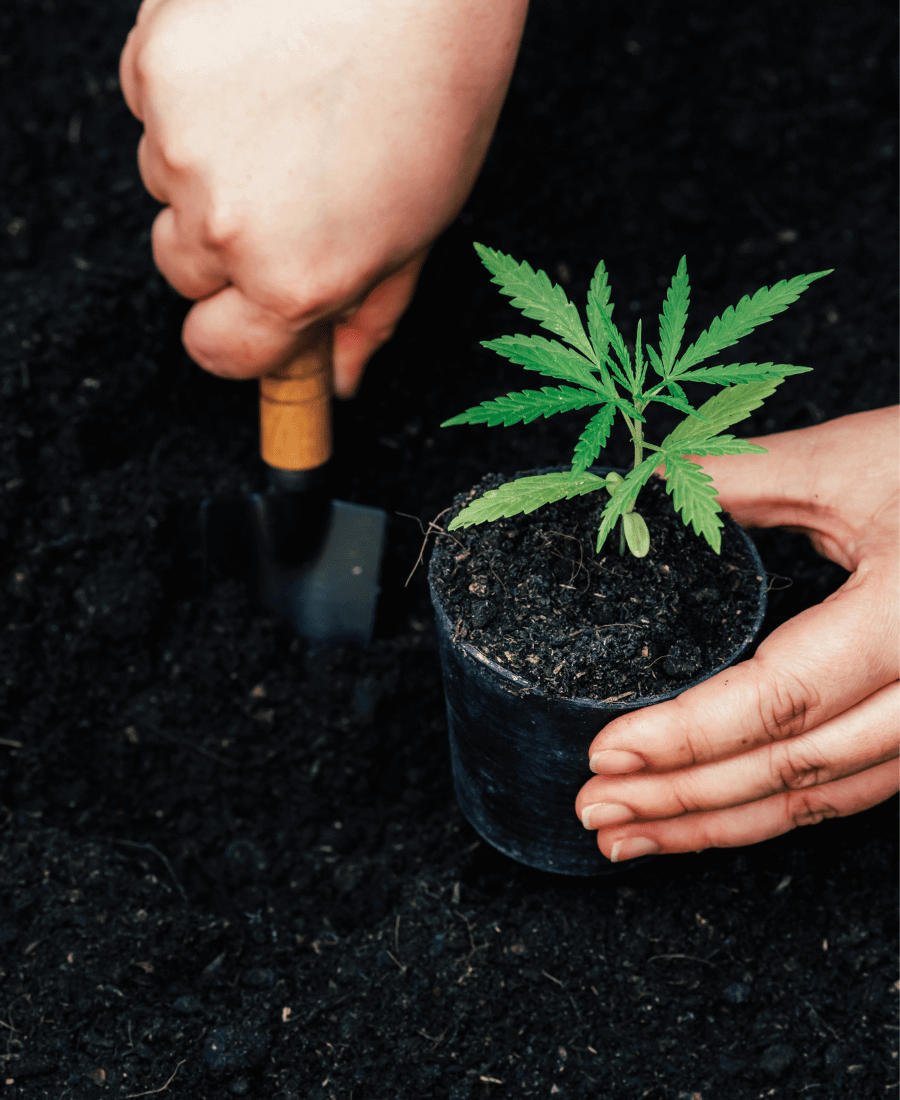
Pruning Cannabis Plants: Step-by-Step Guide for Optimal Growth
Pruning cannabis plants is an important step to get the most out of your plants. Here’s a detailed guide to walk you through the whole process.
1. Preparation
Before you start pruning, make sure you have the right tools on hand. A sharp, clean pair of scissors or a scalpel is perfect for making clean cuts without unnecessarily hurting the plant. Gloves can also help so you don’t contaminate the plant with your hands.
2. Picking the right time
The best time to start pruning is during the plant’s vegetative phase. That’s when growth is strong and the plant can recover well from cuts. Ideally, you should start once the plant has at least four to six nodes, since it’ll be strong enough to handle the process.
3. Identify shoots and leaves
Take a close look at the plant and spot the side shoots growing in the internodes (the spaces between the main nodes). These shoots draw energy from the main branches and can hold back the development of the main buds. You can also remove large, shading leaves that cover the lower parts of the plant.
4. Carefully remove shoots
Carefully cut off the unwanted shoots with scissors or a scalpel. Try to cut as close to the stem as possible without damaging the main structure of the plant. Only remove a few shoots at a time so you don’t stress the plant too much.
5. Monitor after pruning
After pruning, you should keep an eye on the plant to make sure it’s recovering well. It might grow a bit slower for the first few days, but that’s normal. Make sure the cut areas stay clean and show no signs of infection.
6. Care and next steps
Once you’ve pruned the plant, it’s important to keep giving it the best conditions. Make sure it gets enough light, water, and nutrients so it can heal and keep growing strong. Depending on what’s needed, you can repeat the pruning process in one or two weeks to remove more unwanted shoots.
Pros and cons at a glance
Prune Cannabis or Not?
When growing cannabis, you’ll often wonder: prune or not? This choice can really affect your yield and your plants’ health. Here’s a quick overview of the main pros and cons to help you decide.
Benefits of Pruning
• Higher yield: By selectively removing shoots, the plant’s energy is focused on the main buds, leading to bigger and denser Flowers.
• Better light penetration: Pruning lets more light reach the lower parts of the plant, which boosts overall growth.
• Improved airflow: Fewer dense leaves and shoots mean better air circulation, which lowers the risk of mold and pests.
Drawbacks of Pruning
• Stress for the plant: Removing shoots can stress the plant and slow down growth if not done properly.
• Time and effort: Pruning takes regular care and attention, especially with bigger grows.
• Room for mistakes: Inexperienced growers might remove too much and hurt the yield or damage the plant.
Pruning Cannabis Outdoors: How to Do It Right
Pruning cannabis outdoors is a bit different from growing indoors. Outdoor plants have more space to spread out, so you’ll need special techniques and things to consider. Here’s how to do it right to keep your plants healthy and maximize your yield.
1. Pick the right time
For outdoor grows, timing is key. Start pruning during the vegetative phase, around mid to late June, when the plant is strong enough. It’s important to start early so you don’t stress the plant during the flowering phase.
2. Remove shoots and leaves selectively
Focus on removing shoots that get little light or are growing too close together. Make sure the main branches have enough space and light so they can grow strong. Getting rid of extra leaves improves airflow and lowers the risk of mold.
3. Regular checks
Outdoors, your plants are more exposed to weather and pests. Check your plants regularly and remove any extra leaves or damaged shoots as needed. That way, you’ll keep the plant healthy and growing well.
4. Go easy
When pruning outdoors, it’s especially important to be gentle. Don’t cut too much at once or you’ll overload the plant. Smaller, more frequent trims are usually more effective and less stressful.


