

This collection is empty
Continue shoppingWhat is Marshmallow?
The true marshmallow (Althaea officinalis) is a perennial plant from the mallow family, originally native to Europe, Asia, and North Africa. At first glance, marshmallow stands out thanks to its impressive height and its velvety, gray-green leaves with slightly toothed edges. The Flowers, which appear from June to September, are delicately white to pink and have a striking, cup-like shape. Historically, marshmallow was considered an important medicinal plant, and even the ancient Greeks and Romans knew about its soothing effects. Today, marshmallow is valued in natural medicine as well as a decorative garden plant. The healing parts of the plant, especially the root, have traditionally been used to treat coughs, sore throats, and stomach issues.
Mallow Family: Marshmallow
Marshmallow is a prominent member of the mallow family (Malvaceae), a widespread plant family with over 200 different species. Well-known members of this family include hibiscus, hollyhock, and common mallow. What these plants have in common are their cup-shaped Flowers, which come in many colors and often attract pollinators like bees, butterflies, and bumblebees. However, true marshmallow stands out for its healing mucilage, which makes it so valuable in herbal medicine. This mucilage consists of complex carbohydrates that form a protective layer on mucous membranes and have anti-inflammatory effects. Marshmallow is truly a multi-talent in the plant family and is highly valued for both its beauty and its medicinal properties.
The effects of Marshmallow: Health Benefits
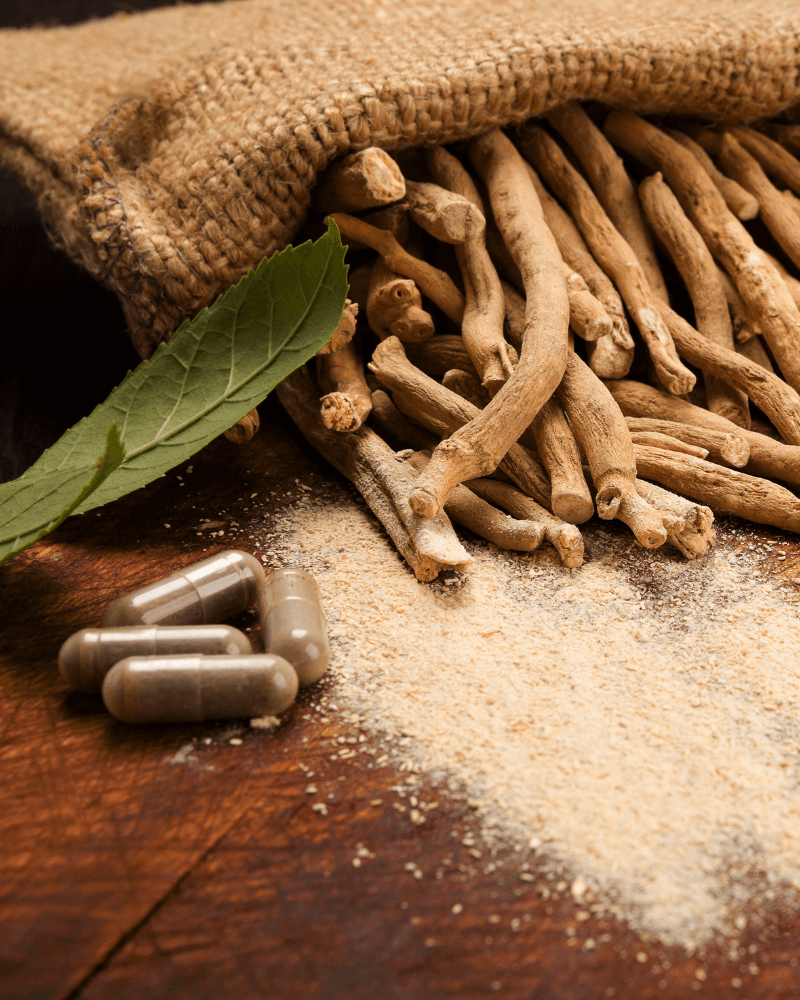
Marshmallow is a versatile medicinal plant, and its healing effects are mainly due to its high mucilage content. This mucilage coats irritated mucous membranes in the throat and mouth like a protective film, which is especially soothing for dry coughs and sore throats. The plant also contains flavonoids and essential oils, which have anti-inflammatory and antioxidant effects. Marshmallow has also proven helpful for digestive issues, as the mucilage soothes the stomach lining. In natural medicine, marshmallow is used as a gentle remedy for tickly coughs, gastritis, and even for external use on irritated skin.
The medicinal plant in focus
True Marshmallow
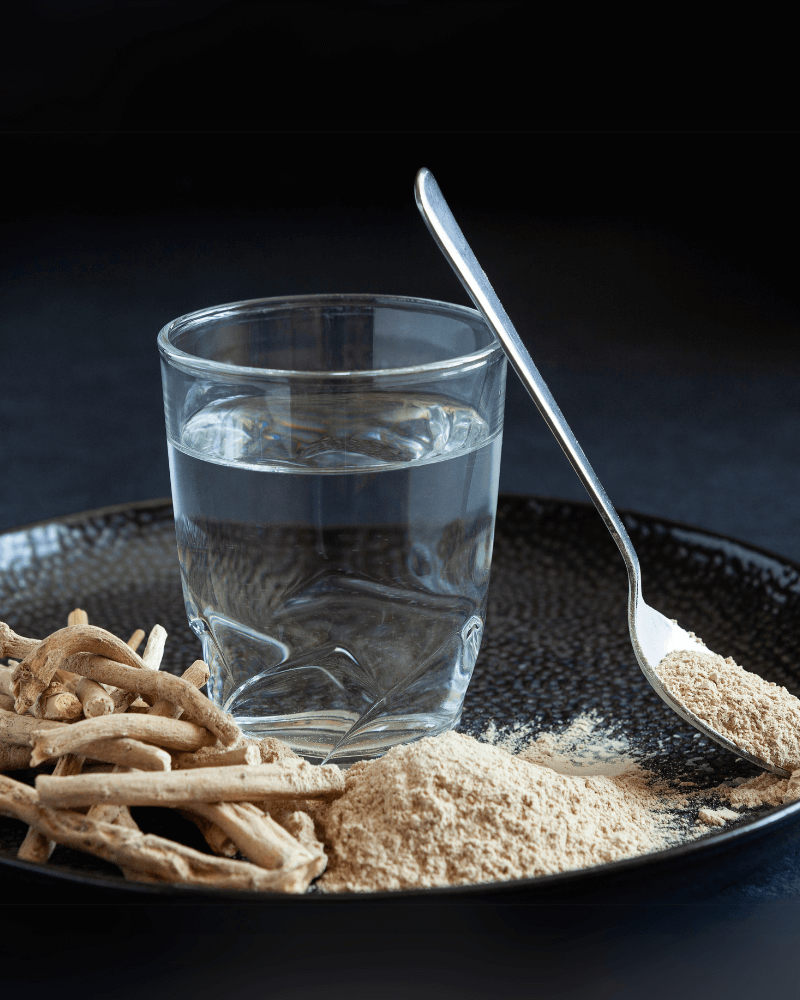
The true marshmallow, also called "healing marshmallow," is one of the oldest medicinal plants in human history. Even in ancient Greece, the plant was known as a remedy for coughs and stomach problems. Hippocrates himself recommended marshmallow for inflammatory diseases of the mucous membranes. The expectorant and anti-inflammatory properties of the marshmallow root are especially remarkable. Traditionally, the root is dried and processed into tea, syrup, or tinctures. These uses are especially helpful for colds, as the mucilage soothes irritated mucous membranes. Externally, the root can be used as a poultice for skin irritations and minor burns. Modern natural medicine mainly uses true marshmallow as a herbal remedy for tickly coughs and digestive issues.
Marshmallow as a Shrub in the Garden
Marshmallow is not just a medicinal plant, but also a beautiful shrub for your garden. With its height of up to 1.5 meters and its striking Flowers, it's a real eye-catcher in any flower bed. Marshmallow prefers sunny to partially shaded spots and especially likes well-drained, moist soil. In garden design, marshmallow is often used as a hedge plant because it grows densely and has a long flowering period. Its delicate pink Flowers appear from June to September and attract lots of pollinators like bees and butterflies. Especially in natural gardens, marshmallow is a popular choice because it's easy to care for and hardy. It only needs minimal protection in winter, making it ideal for beginners who want to expand their gardening experience.
Pruning Marshmallow: Tips for Proper Care
To help your marshmallow shrub thrive and show off its beautiful blooms, it's important to prune it regularly. The best time to cut it back is in late winter or early spring, before new growth starts. Pruning marshmallow isn't just important for shaping the plant, but also for its health, since dead branches should be removed to make room for new growth. Here are a few tips for pruning marshmallow:
• Rejuvenation pruning: Remove old, woody stems to encourage new shoots.
• Maintenance pruning: Lightly trim young shoots to promote a bushy, compact shape.
• Health pruning: Cut off damaged or diseased branches to prevent infections.
With proper pruning, your marshmallow shrub will stay healthy, bloom abundantly, and regenerate optimally.