


Table of contents
- What exactly are synthetic cannabinoids?
- Why does the endocannabinoid system matter so much?
- Examples of semi-synthetic cannabinoids
- Strong, THC-like synthetic cannabinoids
- Potency, Pharmacology, and Risks
- Legal Status: Are Synthetic Cannabinoids Legal?
- How Can You Spot Synthetic Cannabinoids?
- Why Synthetic Cannabinoids at All? A Holistic Perspective
- Complex Chemistry, Open Discussion
Synthetic cannabinoids are active compounds that, on one hand, occur as traces in the cannabis plant and, on the other, are specifically produced in the lab. Like THC or CBD, they interact with the endocannabinoid system, but can have very different properties.
That puts them somewhere between pharmacological research, legal alternatives to classic THC, and substances whose long-term effects are still barely understood. It's worth taking a closer look before getting involved with them—whether out of scientific curiosity or because you're wondering how to spot synthetic cannabinoids and where they stand legally.
What exactly are synthetic cannabinoids?
The term "synthetic cannabinoids" is a catch-all for molecules designed to act like the body's own endocannabinoids or plant-based cannabinoids. They bind to the same receptors (mainly CB1 and CB2), but can sometimes trigger different effects.
You can roughly distinguish three groups of cannabinoids:
- Natural cannabinoids: produced directly in the plant, like CBD or CBG.
- Semi-synthetic cannabinoids: chemically modified from natural cannabinoids, for example by hydrogenation or attaching new groups.
- Fully synthetic cannabinoids: completely new molecules designed in the lab that only exist there, but activate cannabinoid receptors.
Natural vs. semi-synthetic vs. synthetic cannabinoids
Natural cannabinoids like CBD and classic Delta-9-THC are produced by the cannabis plant's metabolism. Their structures, effects, and side effects are relatively well studied, even if many details are still unknown.
With semi-synthetic cannabinoids, you take a known molecule from the plant (like CBD) and modify it chemically. This can significantly change binding strength, fat solubility, stability, potency, or how long the effects last. Synthetic molecules go a step further and are often completely new structures that just target the same receptors.
- Natural cannabinoids: "tested" by evolution, usually more data available.
- Semi-synthetic cannabinoids: bridge between natural compounds and designer molecules, often derived from CBD or THC.
- Synthetic cannabinoids: highly variable, often little data on safety and long-term effects.
Why does the endocannabinoid system matter so much?
All these substances have their effects because they interact with the endocannabinoid system. That's true whether they're plant-based or synthetic. This system is made up of receptors (CB1, CB2), the body's own ligands, and enzymes that build up and break down these messengers. It helps regulate mood, pain, appetite, sleep, and lots of other processes.
Synthetic cannabinoids can often bind to these receptors more strongly or differently than natural compounds. A small change in the side chain or an extra hydroxy group can be enough to turn a mild cannabinoid into a very strong one—or the other way around.
- CB1 receptors: mainly in the brain, responsible for psychoactive effects.
- CB2 receptors: more in the immune system, more involved in inflammation processes.
- Enzymes: control how long a cannabinoid stays active in the body.
Examples of semi-synthetic cannabinoids
Some of today's most talked-about compounds are classic examples of how you can chemically tweak natural molecules to create new profiles.
-
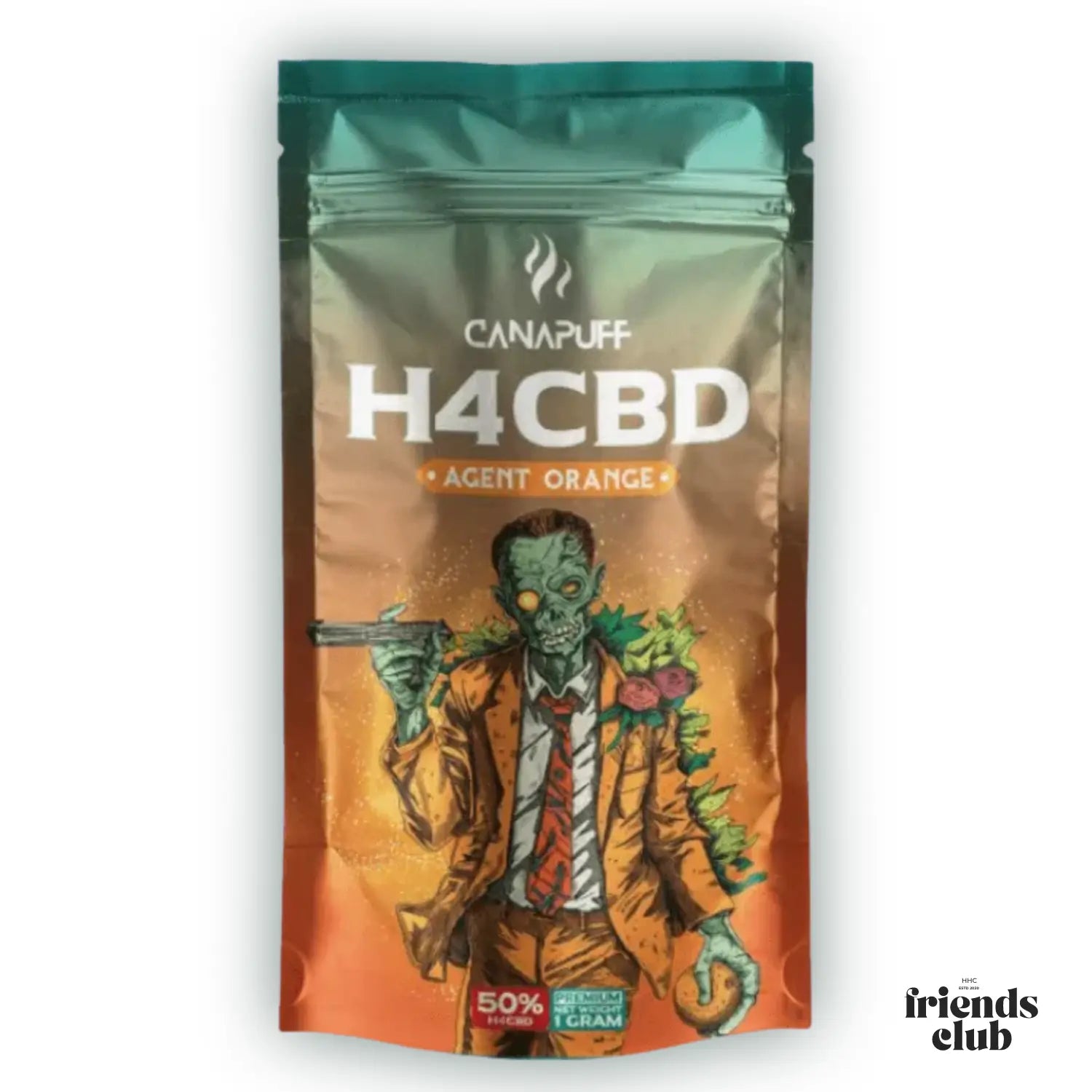
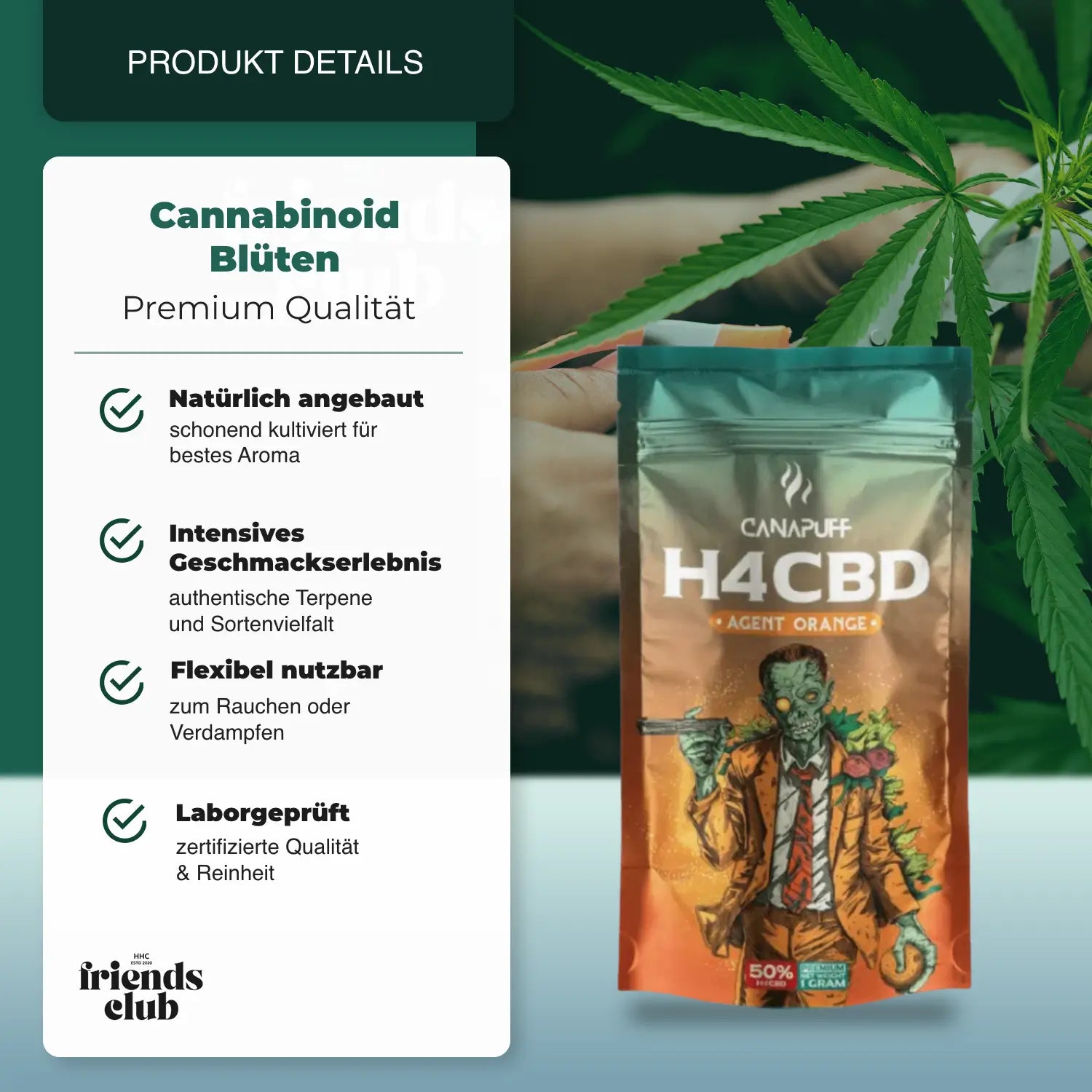
H4CBD: made by hydrogenating CBD. Here, double bonds in the CBD molecule are "saturated" with hydrogen. H4CBD binds much more strongly to CB1 receptors than CBD and is often described by users as "CBD you can actually feel"—milder than THC, but noticeably present.
-
CBG9: a specific variant of cannabigerol (CBG). CBG9 doesn't crystallize, which makes it more stable and probably increases bioavailability. There are hints it may have anti-inflammatory and neuroprotective potential, but it's not considered psychoactive.
-
HHZ: described as a mildly psychoactive cannabinoid that offers a mix of clear-headedness and gentle relaxation. Many report a light euphoria without strong impairment—interesting for people who find THC too much, too quickly.
-
10-OH-THC: a hydroxylated THC derivative that can appear in small amounts as a metabolite, but is also made synthetically. Compared to classic THC, it's considered milder, with lower affinity for CB1 receptors and correspondingly gentler psychoactive effects.
-
10-OH-HHCP: a hydroxy-modified form of HHCP. It's thought to be psychoactive, but a bit milder than HHCP itself, with a shorter duration of effects.



Strong, THC-like synthetic cannabinoids
Besides the more moderate ones, there are substances that were very deliberately developed as "THC replacements." They bind strongly to CB1 and can trigger intense effects even at low doses.
Especially interesting are those compounds that the body converts into THC-like metabolites. Here, the chemical structure is designed so the body treats them like a kind of "prodrug."
- T9HC: a semi-synthetic or synthetic cannabinoid that's chemically very similar to THC, but made in a lab. It's described as potent, long-lasting (6-10 hours), and not really for beginners.
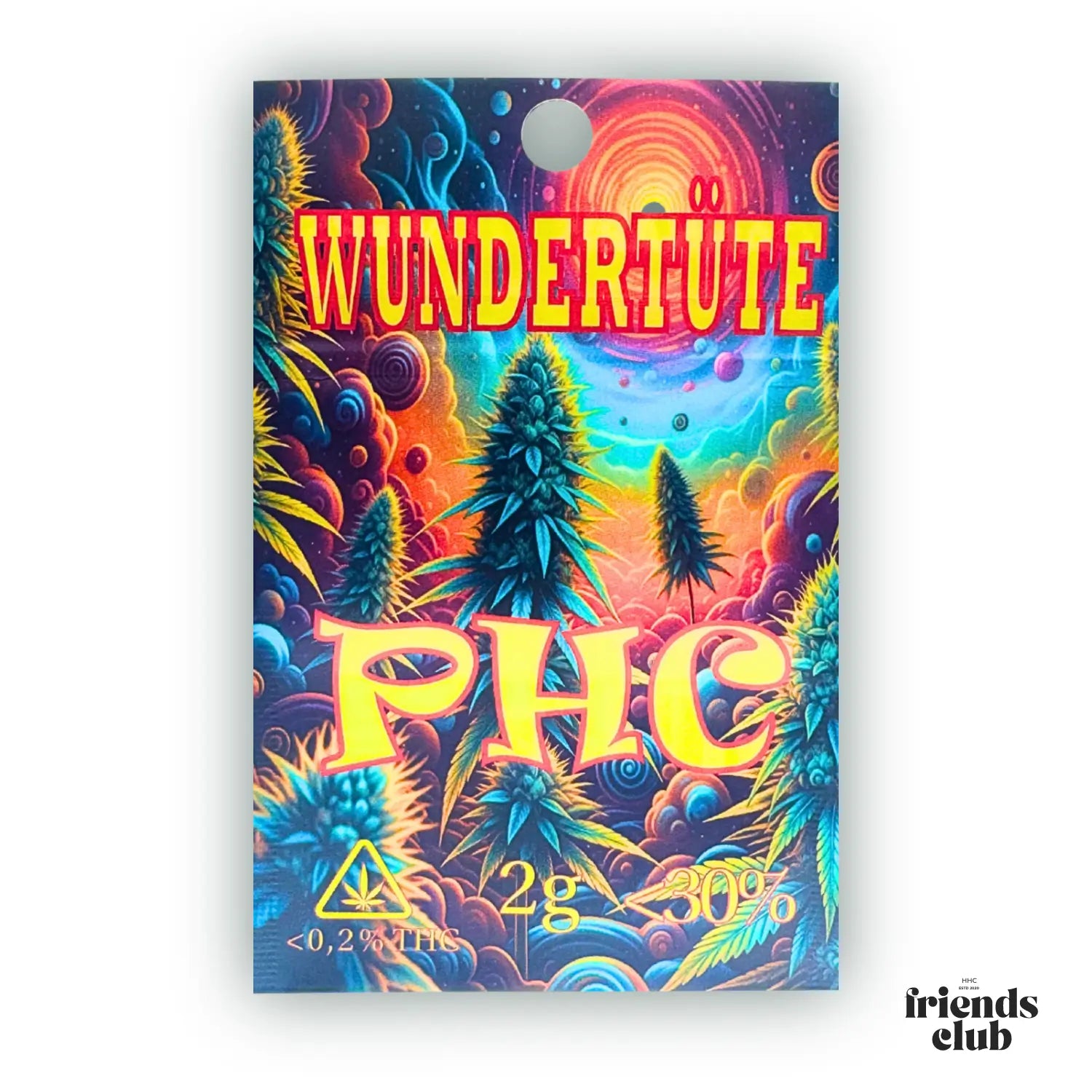
- PHC: created by modifying Delta-9-THC-acetate. In your body, most of it turns into regular THC. Users say it has strong, long-lasting, THC-like effects effects that can last up to eight hours, especially when taken orally.
- PHCP: a polyhydroxylated cannabinoid that also gets converted into THC-like metabolites. It's considered strong, with a delayed onset (1-2 hours) and long duration.
- THP420: a fully synthetic cannabinoid, usually used as a brand name. The exact chemical makeup is often a trade secret. It's said to be mildly psychoactive, with relaxing and mood-lifting effects.
Potency, Pharmacology, and Risks
One of the biggest challenges with synthetic cannabinoids is the huge range of potencies. Small structural changes can drastically increase—or decrease—the affinity for the CB1 receptor. Some molecules are way stronger than THC, others are mild despite similar structure.
What's most important pharmacologically are binding strength, how much the receptor gets activated, fat solubility, and how the body breaks it down. Many synthetic cannabinoids are quickly turned into active or inactive metabolites, and it's often unclear which of those actually have effects.
- Stronger CB1 binding can lead to more intense psychoactive effects.
- Longer half-lives mean longer effects and side effects.
- Unknown metabolites make risk assessments a lot harder.
Legal Status: Are Synthetic Cannabinoids Legal?
The question "Are synthetic cannabinoids legal?" can't be answered in general. In many countries, mainly classic THC is regulated, while new derivatives often show up in a gray area at first.
In Europe, THC limits and national drug laws are key. Synthetic cannabinoids can technically be legal if they're not specifically listed or covered by analog laws.
- "Currently legal" doesn't automatically mean "safe".
- Many substances get regulated later on.
- Especially with molecules like T9HC, PHC, or PHCP, it's worth checking the current legal situation.
How Can You Spot Synthetic Cannabinoids?
The question of how to spot synthetic cannabinoids has different answers from a chemistry and practical point of view. On a molecular level, you need analysis like HPLC or GC-MS.
- Chemical structure: Hydrogenations like in H4CBD or hydroxy groups like in 10-OH-THC are typical clues.
- Names: Names like PHC, PHCP, T9HC, or THP420 point to newer cannabinoid derivatives.
- Lab analysis: Essential for telling natural and synthetic substances apart.
- Effect profile: Very strong, long-lasting effects at low doses are often a sign of synthetic types.
If you're looking into how to buy or categorize synthetic cannabinoids, you can't get around analysis and transparency.
Why Synthetic Cannabinoids at All? A Holistic Perspective
There are several reasons why synthetic cannabinoids exist: research, pharmaceutical development, legal restrictions on classic cannabinoids, and the desire for new effects.
They're important tools for understanding the endocannabinoid system better. At the same time, the same chemistry keeps creating new "legal highs" that are barely researched.
- Opportunity: Progress in pain, inflammation, and neuroscience. More precise control of effects through molecule design.
- Risk: High potency, unclear toxicology. Use without enough data.
Complex Chemistry, Open Discussion
Synthetic cannabinoids are a solid part of modern cannabinoid research. There's a wide range of effects and risks between semi-synthetic molecules like H4CBD or CBG9 and strong designer molecules like PHC, PHCP, or T9HC.
A nuanced look at chemistry, effects, and the law is key to handling the topic responsibly.


Leave a comment
This site is protected by hCaptcha and the hCaptcha Privacy Policy and Terms of Service apply.