

Table of contents
- Cannabis before training – smart or risky?
- Cannabis after working out
- Recovery: Why cannabis is so interesting here
- Cannabis after working out: Which form fits what?
- Which cannabinoids are especially good for athletes?
- Cannabinoids and muscle building
- Legal & safety: What do you need to know?
- Common mistakes with cannabis & sports
- Summary on cannabis and sports
Many people associate cannabis first with relaxation or recreational use. But what about sports and cannabis? Are you an athlete and want to try cannabis? Or do you want to start working out but don’t want to give up your Joint or Vape? We’ll give you a neutral look at a topic that more and more fitness fans are interested in. Because beyond the classic “high” idea, things like performance during training or the impact on muscles are coming into focus.
Cannabis before training – smart or risky?
Before we get into how cannabis might help you after working out, it’s worth asking: Does it even make sense to use it before training?
First off: A strong THC high isn’t really suitable for sports. Your reaction time drops, coordination gets worse, and your cardiovascular system can react more sensitively than you’d think. If you’re serious about training, you should be careful.
It’s different with non-psychoactive cannabinoids. CBD or CBG can help some people focus more calmly—without hurting performance. Lots of people use them in the morning or right before a workout to reduce stress and clear their head.
But for training where technique, endurance, and explosiveness matter, the rule is still: “Less is more.” Because cannabinoids affect everyone differently and can have all kinds of effects on your performance.
Cannabis after working out
Using cannabis after training seems to make a lot more sense. That’s when your body is in a phase where relaxation, sleep quality, and anti-inflammatory processes play a big role.
After intense workouts, a lot of people go for milder cannabinoids like CBD, H4CBD, or CBG. People often say they do this because cannabinoids feel good for general relaxation after exertion. Physical activity causes tiny micro-tears in muscles and increases tension in the body—how much you notice that is very individual.
Some users find cannabinoids soothing in these situations, even though there isn’t much scientific data on this yet.
Another thing people mention a lot is sleep. Many athletes know how hard it can be to wind down mentally after a late workout. In personal stories, people say certain cannabinoids can help them relax in the evening. That doesn’t mean cannabinoids have a proven effect on deep sleep phases, but some people find them helpful for easing into the night more relaxed.
Recovery: Why cannabis is so interesting here
Recovery is something a lot of athletes connect with cannabinoids. The science is still in its early days, but there are plenty of user reports explaining why researchers are interested. Cannabinoids like CBD or CBG are often used around training and recovery because many people find them pleasant for dealing with general tension after exertion. But how strongly this is felt can vary a lot from person to person.
People also report that after training, some users
- notice fewer muscle-related issues or just feel calmer overall.
- use cannabinoids to switch off more easily in the evening—especially after late workouts.
These impressions are subjective and not proven effects, but they show why certain cannabinoids are getting more attention in the sports world.
Especially CBD and CBG are often in the spotlight because they don’t get you high and are described by many as well-tolerated. H4CBD is also mentioned in this context. Users here report a bit more noticeable relaxation compared to classic CBD, without it being strongly psychoactive.
Cannabis after working out: Which form fits what?
Not everyone wants to smoke a Joint in the evening—so there are different forms that might suit your training goals better.
Fast effects (right after training):
Slow but long-lasting effects (for example, for sleep):
- Edibles / gummies
-
Capsules
Topical use:
- Creams or gels for joints and muscles
-
Sports balms with CBD
So if you want to “wind down” after working out, vapes and oils are ideal. For nighttime or deeper recovery, Edibles are better.
 MildProdukte, die innerhalb unseres Sortiments als eher leicht oder zurückhaltend eingeordnet werden.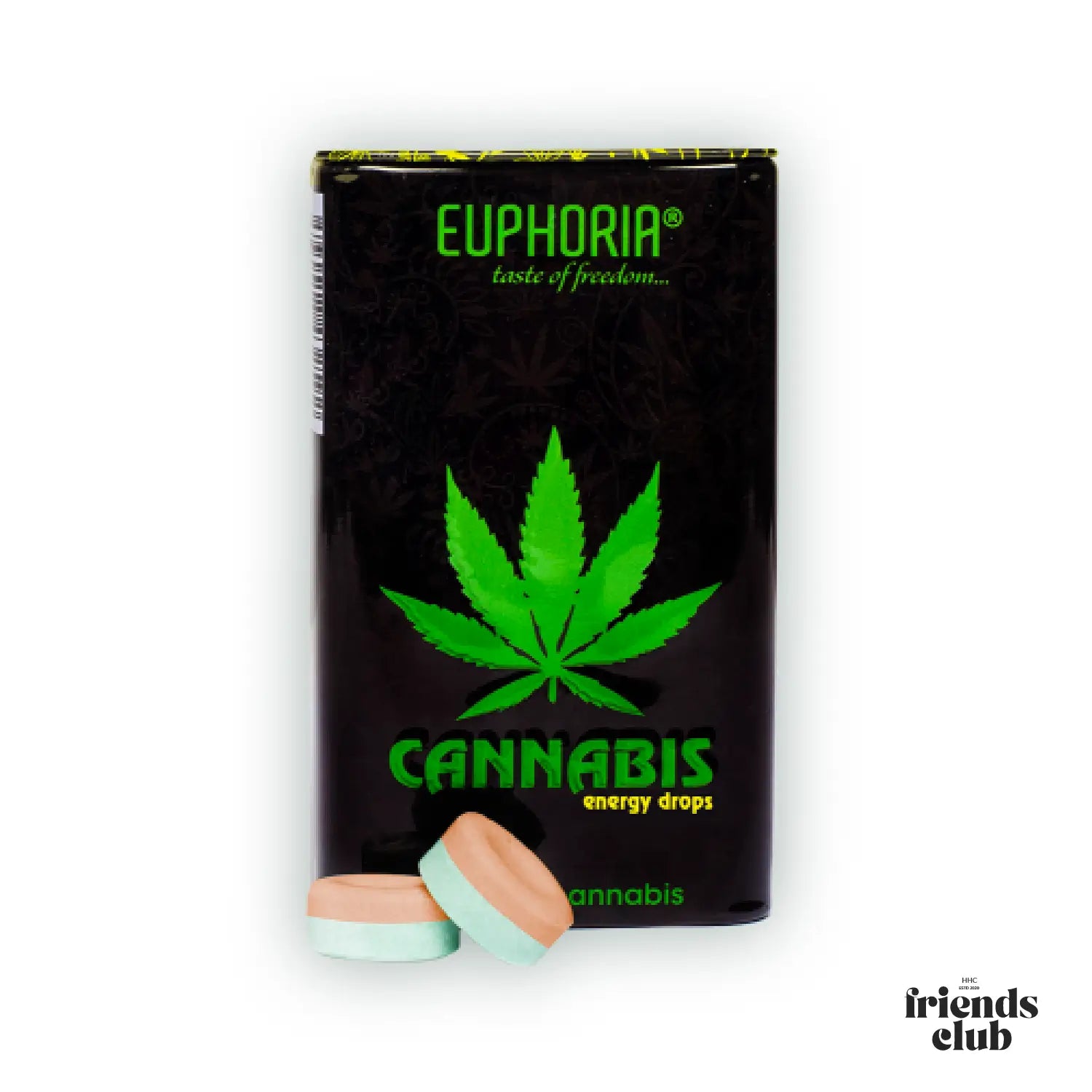
Which cannabinoids are especially good for athletes?
In sports and recovery, lots of people use different cannabinoids, and the choice really depends on personal preference. Products like CBD, CBG, or H4CBD are popular because many users find them pleasant and well-tolerated.
Others try mildly psychoactive options like HHZ, while more intense HHC derivatives are usually for experienced users. Which substance is right for you depends a lot on your sensitivity, experience, and personal goals.
Many athletes tend to go for the gentler, non-psychoactive options in everyday life or around training, since these are often seen as more suitable for daily use. Psychoactive varieties are more often used on days off or in the evenings. But this is all individual and not meant as a recommendation or proven effect.
Cannabinoids in sports environments (no promises of effects):
- CBD: often used for everyday practicality
- CBG: sometimes mentioned in the context of focus or activation
-
H4CBD: described in reports as a noticeably stronger version of CBD
- HHC derivatives: more intense, usually tried by more experienced users
Cannabinoids and muscle building
A lot of people are curious about how cannabinoids affect muscle growth and training results. The scientific research is still limited, but there are hints and user experiences that show why this topic is interesting for many athletes. Especially non-psychoactive cannabinoids like CBD, CBG, or H4CBD are often mentioned in connection with recovery or sleep—two factors that play a key role in everyday training and muscle building.
With strongly psychoactive cannabinoids, it’s better to be careful: an intense high can affect concentration, coordination, or motivation—things that are important for strength training. That’s why many athletes, if they use them at all, stick to milder products and use them on rest days or in the evening.
Bottom line: Cannabinoids don’t replace training, nutrition, or recovery—they can, at best, be one piece of your personal well-being.
Things users often mention about muscle building:
- feeling more relaxed after tough sessions
- help winding down in the evening
- better sleep quality according to user experiences
- less mental tension on training days
- mild cannabinoids are often tolerated better than strong psychoactive products
Legal & safety: What do you need to know?
Even though cannabis is handled more loosely in many areas now, athletes should be especially careful about which products they use. Also important: All info about cannabinoids is not a promise of effects or healing, but just for general orientation. The science varies depending on the substance, and individual reactions can be very different.
Key points for athletes using cannabinoids:
- CBD, CBG, and H4CBD are generally considered legal as long as they stay within the legal THC limits.
- Psychoactive cannabinoids like THC or certain HHC derivatives are still clearly regulated and may be more strictly controlled depending on the product.
- Doping and drug tests check for THC—even if it’s taken through Edibles, vapes, or other forms.
- Lab tests are crucial to check purity, THC content, and the actual composition.
- Transparent manufacturers offer tested products, while unclear cannabinoid mixes can be riskier.
- Everyone reacts differently—other people’s reports don’t replace scientific proof.
Common mistakes with cannabis & sports
People often dismiss cannabis and sports, saying they don’t go together. But a lot of the problems and prejudices come from using cannabis the wrong way. The most common mistakes include:
- taking too high a dose before training
- underestimating Edibles (“It’s not working yet…”)
- not taking breaks
- using untested products without lab analysis
The most important tip: always start slow and listen to your own body.
Summary on cannabis and sports
Cannabis in sports isn’t a miracle cure, but it’s not a taboo anymore either. For a lot of people, it can be a useful addition to their routine—especially for recovery, sleep, mental relaxation, and muscle comfort. There’s a big range, from mild, non-psychoactive substances to stronger cannabinoids with more intense effects.
The key is using it mindfully: the right dose, the right product form, and a clear purpose. The most important thing is to listen to your own body and see what works for you. That way, cannabis can help you recover faster, sleep better, and train more balanced overall.
MildProdukte, die innerhalb unseres Sortiments als eher leicht oder zurückhaltend eingeordnet werden.